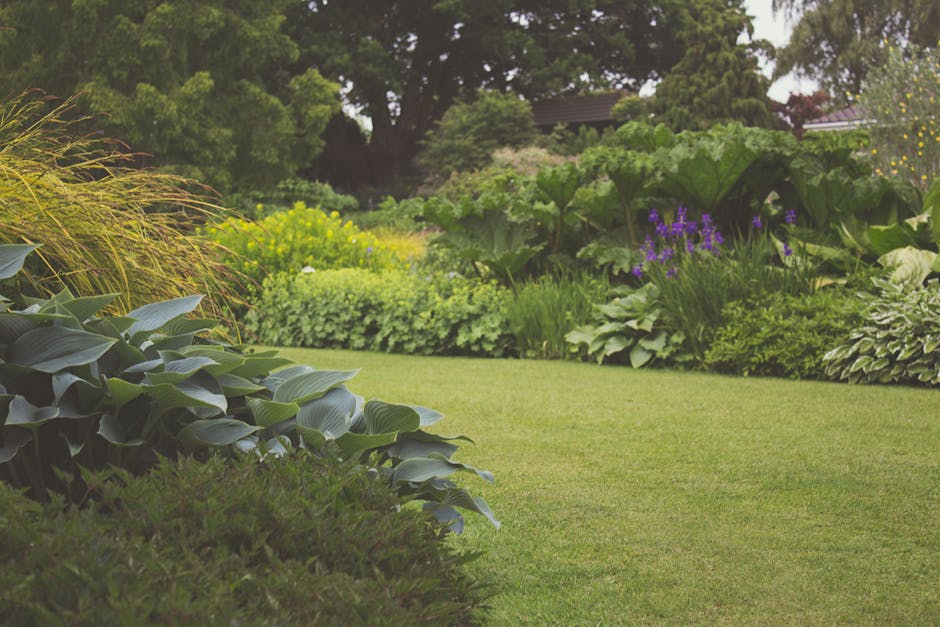
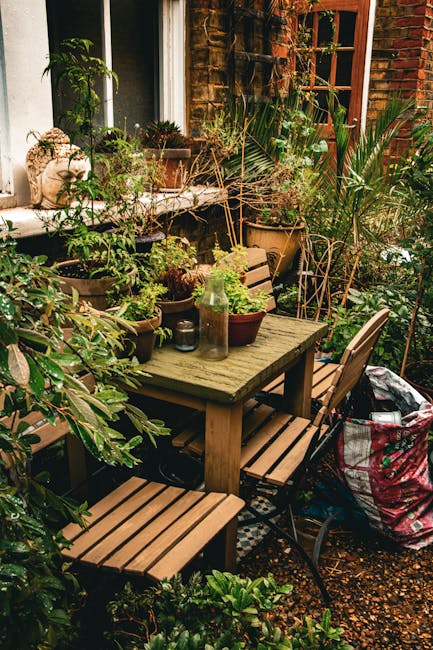
Harold Hill gardeners RM3 local guide for small yards
If your outdoor space feels a bit too small for comfort, you are not alone. Many homes in Harold Hill, RM3 have compact front gardens, narrow back plots, patios, or awkward side spaces that need a smarter approach rather than more effort. This guide to Harold Hill gardeners RM3 local guide for small yards is designed to help you make better decisions, avoid costly mistakes, and create a garden that feels tidy, useful, and genuinely pleasant to spend time in.
Whether you want more privacy, less maintenance, better planting, or simply a yard that does not look cramped by Thursday afternoon, the right local gardener can make a big difference. Let's face it, small yards can become cluttered quickly. But with the right planning, even a modest plot can look calm, structured, and green without turning into a weekend-time-sink.
In the sections below, you will find practical advice on layout, planting, hard landscaping, seasonal care, and what to ask before booking help. You will also see where services like general gardening services, regular garden maintenance, and tailored lawn care can support a small-yard plan without overcomplicating things.
Table of Contents
- Why Harold Hill gardeners RM3 local guide for small yards Matters
- How Harold Hill gardeners RM3 local guide for small yards Works
- Key Benefits and Practical Advantages
- Who This Is For and When It Makes Sense
- Step-by-Step Guidance
- Expert Tips for Better Results
- Common Mistakes to Avoid
- Tools, Resources and Recommendations
- Law, Compliance, Standards, or Best Practice
- Options, Methods, or Comparison Table
- Case Study or Real-World Example
- Practical Checklist
- Conclusion
- Frequently Asked Questions
Why Harold Hill gardeners RM3 local guide for small yards Matters
Small gardens are unforgiving in a very ordinary way. One overgrown shrub, one patchy lawn, one badly placed bin store, and the whole space can feel half its size. That is why local knowledge matters. A Harold Hill gardener who works in RM3 understands the practical realities of suburban plots, local weather swings, and the kind of layouts common in the area.
In a small yard, every decision has a visible effect. A border that is too deep steals walking space. A hedge that is too broad blocks light. A planter that is too chunky can make the garden feel boxed in. Good local gardeners look at the whole picture, not just one plant or one service.
This also matters because the best solution is not always the most dramatic one. Sometimes it is simple pruning, a neater edge, a better planting palette, or a switch from thirsty lawn to lower-maintenance ground cover. You can see that thinking in topics like vertical gardening ideas and ground cover plants suited to UK gardens.
For small yards, the goal is not just beauty. It is flow. Light. Ease. A place where you can step outside with a cup of tea and not immediately spot five jobs that need doing. That is the sweet spot.
How Harold Hill gardeners RM3 local guide for small yards Works
The best small-yard garden plan usually starts with a quick assessment. A good gardener will look at sunlight, shade, access, drainage, soil condition, boundaries, and how you actually use the space. Are you after a small lawn for children or pets? A neat seating area? More planting and less mowing? Or a garden that basically takes care of itself with sensible upkeep?
From there, the work is usually broken into practical stages:
- Assess the layout - measure the space, note problem corners, and identify what feels crowded.
- Prioritise function - decide whether you need seating, storage, privacy, planting, or play space first.
- Choose space-saving features - compact borders, trellis planting, raised beds, slimline paving, or tidy edges.
- Improve structure - cut back overgrowth, sharpen boundaries, and define clear zones.
- Plant with restraint - use fewer varieties, repeated in groups, so the space feels calm rather than busy.
- Set a maintenance rhythm - light but regular care usually works better than big, infrequent overhauls.
That process can be as modest as refreshing a small courtyard, or as involved as reworking an entire garden from scratch. If you need a full reset, a garden revival approach is often more sensible than trying to patch everything at once.
In practice, the best local gardeners keep things realistic. They will not promise a tiny yard can suddenly become a grand country garden. Instead, they make it look its best for its size. And honestly, that is what most homeowners want anyway.
Key Benefits and Practical Advantages
A well-planned small yard offers more than neatness. It can improve how the whole property feels day to day. Here are the main advantages people usually notice first.
- More usable space - clear lines and smarter planting make the area feel bigger.
- Lower maintenance - fewer awkward corners and less sprawling growth mean less ongoing work.
- Better privacy - slim hedges, trained climbers, and screened boundaries can soften overlooked spaces.
- Improved light - careful pruning and layout choices stop the garden from feeling shaded out.
- Cleaner appearance - edging, mowing, and patio care create instant order.
- Better year-round value - a small yard can look good in winter as well as summer with the right structure.
There is also a subtle but important benefit: a well-managed compact garden tends to feel calmer. Less visual noise. Fewer "temporary" bits left lying around. Fewer patches of dead space that nag at you every time you look out the window.
If your garden is used by children, pets, or older relatives, usability matters even more. A clean, well-defined yard reduces trip hazards and makes movement easier. For families, ideas from child-friendly garden planning can be adapted surprisingly well to small plots. The same is true for dog-friendly outdoor spaces.
Who This Is For and When It Makes Sense
This kind of local guidance is especially useful if you live in a terrace, semi-detached property, or maisonette with a limited outdoor footprint. It also suits anyone who has inherited a tired garden and wants a plan before starting work. That first decision stage can be the hardest, to be fair.
You will probably benefit most if you are:
- a homeowner with a small front or rear yard that feels cluttered
- a landlord wanting the garden to look tidy with minimal upkeep
- a busy family needing a practical outdoor area
- a first-time buyer who wants to improve kerb appeal quickly
- someone preparing a property for sale or letting
- a gardener who wants expert help rather than trial and error
It also makes sense when you are stuck between too many options. Should you keep the lawn? Remove it? Add raised beds? Put in a patio? Grow up the fence? In a small space, "maybe all of it" is usually the wrong answer. A proper local assessment helps narrow things down.
Sometimes people wait until the yard is in a bit of a state before asking for help. That is normal. Spring overgrowth, wet winters, and just the usual busyness of life all do their thing. There is no shame in starting late, not one bit.
Step-by-Step Guidance
Here is a practical way to approach a small yard in Harold Hill without making the project feel overwhelming.
1. Clear the space first
Remove dead leaves, broken pots, clutter, and anything that is only there because it has not been dealt with yet. It is amazing how much bigger a yard feels after the first proper tidy-up.
2. Decide on the main purpose
Ask yourself what the garden should do most of the time. Sit and relax? Host a small table and chairs? Give children a safe play patch? Support low-maintenance planting? Small yards need a strong lead purpose or they start arguing with themselves visually.
3. Measure the usable areas
Do not guess. Even rough measurements help you avoid oversized furniture, too-wide borders, or a path that eats up too much room. A few centimetres matter more than people expect.
4. Build structure before adding plants
Boundaries, edging, paving, screens, and storage should usually come first. Once the skeleton is right, planting becomes far easier. You can then add character through shape and texture.
5. Use layered planting carefully
In small spaces, layering works best when it is controlled. Think low planting at the front, medium height in the middle, and a few taller vertical elements at the back. This creates depth without chaos.
6. Keep access routes clear
If you have to squeeze past a plant every time you cross the yard, the design is already working against you. Access should feel easy and natural.
7. Finish with maintenance planning
Know how often hedges need trimming, lawns need mowing, and patios need cleaning. A good design is one you can actually sustain, not just admire for two weeks.
If you need the whole thing managed rather than pieced together, ongoing garden maintenance can keep a compact space from drifting back into clutter. For lawns that need regular attention, lawn mowing and lawn care are often the simplest foundations.
Expert Tips for Better Results
These are the little choices that make small gardens feel considered rather than crowded.
- Repeat materials - using the same paving tone, pot style, or timber finish creates calm.
- Choose fewer plant types - repetition looks more elegant than scattered variety.
- Go vertical where possible - wall training, trellis, and climbers use height instead of width.
- Trim from day one - don't wait until hedges or climbers have swallowed the space.
- Use scent sparingly - a few well-placed herbs or flowering plants can feel lovely without overpowering the area.
- Protect the boundaries - wind and shade near fences can change what will thrive.
A small yard also benefits from seasonal thinking. In winter, structure matters more. In summer, shade and watering become more important. If your space is exposed, a guide like breeze control for garden gusts is worth reading. If the problem is cold weather, winter plant protection can save a surprising amount of damage.
One more thing: do not underestimate the value of a plain, well-kept finish. A tidy edge, a swept patio, and a clipped hedge often do more for a small yard than a dozen decorative extras. Bit boring? Maybe. Effective? Absolutely.
Common Mistakes to Avoid
Small yards magnify mistakes. What looks harmless on a plan can feel huge in real life.
1. Overplanting
Too many plants can make the garden feel busy and harder to maintain. Leave room for growth, air movement, and access.
2. Choosing plants that outgrow the space
Large shrubs and aggressive climbers can dominate a compact yard unless they are managed carefully. For example, if ivy is taking over, practical advice from ivy control tips can help you regain structure.
3. Ignoring drainage
Waterlogged corners are common in small gardens because there is less room for runoff and sometimes more hard surface. Poor drainage can wreck both planting and paving, so check it early.
4. Using oversized furniture
Even a lovely bistro set can make a tiny garden feel trapped if it is too bulky. Slim, foldable, or built-in seating usually works better.
5. Making the garden all lawn or all hard paving
Either extreme can feel wrong. A balanced approach is usually best. Some soft planting, some usable hard standing, and a sense of flow.
6. Forgetting maintenance reality
Pretty but high-maintenance layouts often fall apart fast. If your week is already full, keep the design honest.
And yes, the classic mistake is buying plants because they look lovely in the shop on a sunny Saturday, then wondering why they sulk in shade or bolt in heat. We have all done something like that once. Maybe twice.
Tools, Resources and Recommendations
You do not need a shed full of equipment to maintain a small yard well, but a few reliable tools make life easier. A basic kit usually includes secateurs, a hand fork, a spade, a rake, a watering can or hose, gloves, and a decent pair of loppers for thicker growth.
If you prefer a straightforward setup, the guide on must-have gardening tools is a sensible starting point. For people who want to keep spending sensible, cost-effective garden ideas can help stretch a budget without cutting corners.
Useful service areas to consider for small yards include:
- Patio cleaning when hard surfaces look tired or slippery: patio cleaning
- Fencing when you need privacy or a cleaner boundary: fencing
- Decking where a compact seating zone makes more sense than extra lawn: decking services
- Landscaping if the whole layout needs rethinking: landscaping
- Tree surgery if shade or overgrown branches are reducing usable space: tree surgery
If you are comparing support options, it may also help to review the practical detail on pricing and quotes. Clear pricing expectations matter more in small jobs than people think, because even small changes can shift the final scope.
Law, Compliance, Standards, or Best Practice
For most small domestic gardens in Harold Hill, the main concerns are practical best practice rather than heavy compliance. Still, it is wise to use a service that treats safety, waste handling, and property care properly.
Good practice usually includes:
- working safely with tools and machinery
- avoiding damage to neighbouring property or shared boundaries
- disposing of green waste responsibly
- checking access routes before carrying equipment through narrow spaces
- advising honestly where a job needs specialist attention
If a gardener is pruning near trees, dealing with heights, or handling heavy work, sensible safety standards matter. You can review site-specific expectations through the website's health and safety policy and insurance and safety information.
It is also useful to understand how the business handles service terms, payment, complaints, and privacy. That is not just paperwork. It helps you know what to expect if plans change, weather interrupts the work, or access is more complicated than expected. For that reason, the pages on terms and conditions, payment and security, and complaints procedure are worth a quick look.
One quiet but important detail: if your garden work involves waste, reuse and composting can reduce the amount that needs removing. The article on organic waste and soil improvement is a useful companion piece.
Options, Methods, or Comparison Table
If you are choosing how to improve a small yard, it helps to compare the main approaches side by side.
| Approach | Best for | Strengths | Limitations |
|---|---|---|---|
| Low-maintenance tidy-up | Busy households and landlords | Fast improvement, lower upkeep, neat result | May not change the layout much |
| Plant-led redesign | People who want softness and seasonal interest | Better colour, texture, and privacy | Needs correct plant selection and care |
| Hardscape-led redesign | Compact yards needing seating or access | Clear structure, easy to keep tidy | Can feel stark if planting is too limited |
| Mixed layout | Most small gardens | Balanced, flexible, and practical | Requires better planning up front |
In many RM3 gardens, a mixed layout works best. A small paved sitting area, a tidy lawn edge, a few well-chosen plants, and perhaps one screen or climber can feel just right. It does not need to be complicated.
If privacy is a big issue, consider a natural boundary instead of a heavy visual wall. The guide on fast-growing hedges for privacy is a good example of how structure and softness can sit together. Likewise, climbers suited to shade, such as in evergreen climbers for shade, can help a tiny space feel layered rather than boxed in.
Case Study or Real-World Example
Here is a realistic example. A homeowner in a compact Harold Hill rear garden wanted a space that felt less neglected and more usable, but without turning it into a full landscaping project. The yard had a small patch of tired grass, a narrow paved section, one overgrown climber, and a fence that made everything feel enclosed.
The plan was simple:
- reduce visual clutter with a full tidy and light pruning
- define a small seating area rather than trying to keep too much lawn
- add one structured planting run with repeat shrubs and low ground cover
- clean the patio so the existing hard surface looked deliberate, not forgotten
- train one climber vertically to soften the fence without taking over the floor area
The result was not dramatic in a glossy-magazine sense. It was better than that. It looked believable. Usable. The kind of space that makes you actually want to step outside in the evening, even if it is only for ten minutes before tea.
What made the difference was restraint. Not more stuff. Better organisation. The client could then maintain the garden with lighter regular care instead of waiting until it became a bigger seasonal job.
Practical Checklist
Use this checklist before you book work or start a small-yard refresh.
- Measure the garden and note any tight access points
- Identify the main purpose of the space
- Check light and shade across morning, afternoon, and evening
- Look for drainage issues or pooling water
- Decide what stays and what goes before any new work starts
- Choose a simple planting palette that suits the site
- Confirm maintenance needs for grass, hedges, climbers, and beds
- Review safety and insurance if professional work is involved
- Ask for a clear scope so there are no awkward surprises later
- Plan the next season too, not just the next weekend
Expert summary: In a small Harold Hill yard, the best results usually come from clarity, not complexity. Get the structure right, keep planting disciplined, and choose maintenance you can sustain. That simple formula saves a lot of regret.
If you are ready to talk through a project, the easiest next step is to visit the contact page and outline what your garden needs. A few clear details at the start usually lead to a much better outcome.
Get a free quote today and see how much you can save.
Conclusion
A small yard does not need to be a compromise. With the right local guidance, it can become one of the nicest parts of your home. The key is to work with the space you have, not against it. That means better structure, sensible planting, realistic upkeep, and decisions that suit how you actually live.
Whether you need a tidy-up, a bigger rethink, or ongoing support, Harold Hill gardeners who understand RM3 gardens can help you get more from every square metre. And once the space starts to work properly, you will notice it straight away - quieter, neater, easier to enjoy. Sometimes that is all a garden needs to become yours again.
Frequently Asked Questions
What does a small-yard gardener in Harold Hill usually help with?
They typically help with pruning, mowing, hedge trimming, patio cleaning, planting, layout improvements, and ongoing maintenance. In a small yard, the focus is usually on making the space feel bigger and easier to use.
Is garden maintenance worth it for a very small yard?
Yes, often more than people expect. Small gardens can become messy quickly, and light regular maintenance usually costs less effort than repeated overhauls. It also helps keep the space usable throughout the year.
What are the best plants for a compact RM3 garden?
The best choices are usually plants that stay in proportion, tolerate local conditions, and do not need constant pruning. Repeated groups of smaller shrubs, climbers, and ground cover often work well. If shade is an issue, look at climbers and layered planting.
Should I keep a lawn in a small yard?
Sometimes yes, sometimes no. If the lawn is usable and suits the way you live, it can be worth keeping. If it is too small to enjoy or too awkward to maintain, a patio or planting-led layout may be better.
How can I make a small garden look bigger?
Use clear lines, repeat materials, keep planting structured, and avoid overcrowding. Vertical planting, tidy edges, and a limited colour palette can also make the space feel more open.
What is the biggest mistake people make in small gardens?
Overfilling them. Too many plants, too much furniture, and too many different materials can make the yard feel smaller than it is. Simplicity usually wins.
Do I need landscaping or just gardening services?
If the garden mainly needs tidying, pruning, and maintenance, general gardening services may be enough. If the layout feels wrong or the yard needs hardscape changes, landscaping is probably the better option.
How often should a small garden be maintained?
That depends on the planting and how much use it gets, but small gardens often benefit from frequent light maintenance rather than occasional heavy work. Regular attention keeps things under control with less effort overall.
Is patio cleaning useful in a small yard?
Very much so. In compact spaces, hard surfaces are highly visible. A clean patio can instantly lift the whole garden and make it feel better cared for.
Can a small yard still have privacy?
Yes. Privacy can be created with fencing, hedging, climbers, or a careful mix of planting and screening. The trick is choosing solutions that give coverage without swallowing the space.
What should I ask before hiring a local gardener?
Ask what is included, how long the work will take, what happens with waste, whether insurance is in place, and how maintenance should continue afterwards. Clear communication at the start avoids a lot of friction later.
Are there safety things I should check before any work starts?
Yes. Make sure access is safe, equipment can be moved without difficulty, and any larger tasks are handled properly. It is sensible to review insurance and safety information before work begins, especially for pruning, height work, or heavier jobs.