Health and Safety Policy for Gardeners Harold Hill
 This health and safety policy sets out the standards that guide our gardening work, helping ensure that every task is carried out with care, professionalism, and attention to risk. Whether the job involves planting, hedge trimming, lawn care, or general grounds maintenance, our approach is built around prevention, planning, and safe working practices. We aim to protect workers, clients, visitors, and anyone who may be affected by gardening activities.
Our policy applies to all stages of work, from the first site visit to the completion of each project. We recognise that outdoor environments can change quickly, bringing hazards such as uneven ground, weather exposure, moving equipment, sharp tools, and manual handling strain. For that reason, we promote a proactive safety culture where potential risks are identified early and controlled effectively. A safe garden service is not only a legal responsibility but also a mark of quality and trust.
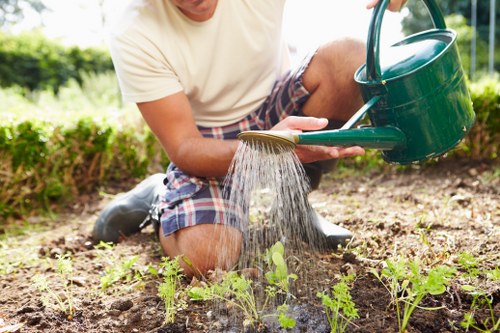 All gardeners are expected to follow safe systems of work, use equipment responsibly, and report concerns without delay. Supervisors and team members share responsibility for maintaining a tidy working area, using suitable personal protective equipment, and ensuring that tools are checked before use. Garden safety relies on consistent habits, and even routine tasks must be approached with care. This policy supports those habits and helps maintain a reliable standard across every assignment.
Core Safety Principles
Our gardening safety policy is based on a clear set of principles: identify hazards, reduce exposure, and monitor working conditions throughout the task. We do not treat any job as too small to require planning. Before starting work, the condition of the site is assessed for obstacles, fragile surfaces, hidden debris, slippery areas, access limitations, and the presence of people, pets, or vehicles. Where necessary, work is adjusted to reduce unnecessary risk.
Equipment use is central to safe practice. Tools must be suitable for the task, correctly maintained, and operated only by competent persons. Guards, handles, blades, cables, and fuel systems are checked regularly, and any defective item is removed from service immediately. Gardeners are encouraged to work at a sensible pace, avoid rushing, and use lifting techniques that protect the back, shoulders, and joints. Repetitive strain and overexertion are managed through task variation and rest breaks when appropriate.
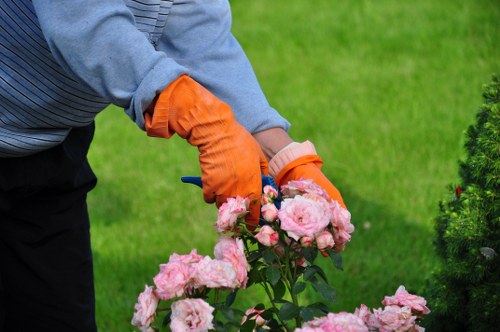
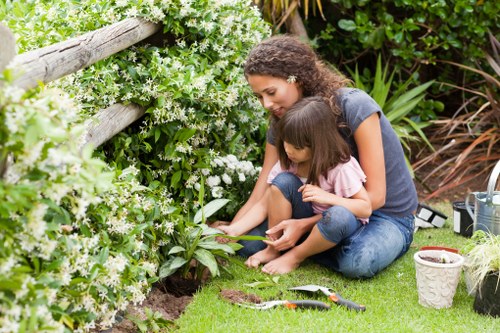 Protective clothing and equipment are selected according to the nature of the work. This may include gloves, eye protection, hearing protection, sturdy footwear, high-visibility clothing, and weather-appropriate layers. The aim is not to create unnecessary formality, but to make sure every gardening operation is supported by the right level of protection. Good housekeeping also plays a major role, with pathways kept clear, waste removed safely, and materials stacked securely.
Risk Management and Safe Working Practices
Risk management is an ongoing process rather than a one-time check. Garden tasks often involve changing conditions, so workers must remain alert to new hazards as they arise. Wet grass, broken paving, hidden roots, insects, thorns, and unstable ground can all create issues. In addition, weather can affect visibility, grip, heat stress, and fatigue. Work may be paused or rearranged when conditions become unsafe.
When using powered tools or machinery, extra care is required. Noise, vibration, flying debris, fuel handling, and entanglement hazards must all be considered. Team members are instructed to keep bystanders at a safe distance and to stop work if anyone enters the work zone. This health and safety approach for gardeners places strong emphasis on awareness, communication, and control measures that suit the specific environment.
Manual handling is another important concern. Soil bags, plants, stones, containers, and waste materials can place strain on the body if moved incorrectly. Loads should be assessed before lifting, and assistance should be used for heavier or awkward items. Where possible, wheelbarrows, sacks, trolleys, and other aids are used to reduce strain. Safe practices protect not only immediate wellbeing but also long-term physical health.
Training, Supervision, and Responsibility
 A strong safety policy depends on training and clear responsibility. All workers are expected to understand the risks linked to their duties and to receive instruction on safe use of tools, chemicals where applicable, lifting methods, and emergency procedures. Refresher training helps keep knowledge current and reinforces good habits. New or less experienced gardeners are supervised until they demonstrate the required level of competence.
Supervisors must ensure that work is properly planned and that the team has access to the right equipment and information. Workers, in turn, must follow instructions, wear protective equipment correctly, and communicate any issue that could affect safety. If a hazard cannot be controlled immediately, work must stop until a safe solution is in place. Garden maintenance safety depends on cooperation at every level.
We also encourage a culture of accountability. Accidents, near misses, and unsafe conditions should be recorded and reviewed so that lessons can be learned. This helps prevent repeat incidents and supports continuous improvement. The policy is regularly reviewed to ensure it remains suitable, effective, and aligned with the realities of outdoor work.
Emergency Response and Incident Handling
Although the aim is always prevention, the policy also includes clear expectations for responding to emergencies. First aid arrangements must be known before work begins, and the team should understand how to obtain assistance if an incident occurs. Injuries, exposure to hazardous substances, severe weather events, equipment failure, and public safety concerns must be dealt with quickly and calmly.
After any incident, the area should be made safe where possible and the situation reported promptly. Any damaged equipment is removed from use until checked and repaired. Recording events accurately helps identify patterns and improve future planning. Gardener safety policy procedures are designed to support swift action while keeping disruption to a minimum.
 Ultimately, this policy reflects our commitment to safe, careful, and responsible gardening work. By controlling risk, maintaining equipment, supporting training, and responding decisively when problems arise, we create safer working conditions and better outcomes for everyone involved. Health and safety is not separate from good service; it is an essential part of it.